
Comparing Cannabis Regulations: Massachusetts vs. New York
JC
Introduction
The cannabis industry in the United States is evolving rapidly, with different states adopting unique regulations to govern cultivation, distribution, and consumption. Massachusetts and New York, two neighboring states in the Northeast, provide an interesting comparison of how cannabis is regulated. From licensing to retail, understanding their differences is crucial for businesses and consumers alike.
Licensing and Permitting
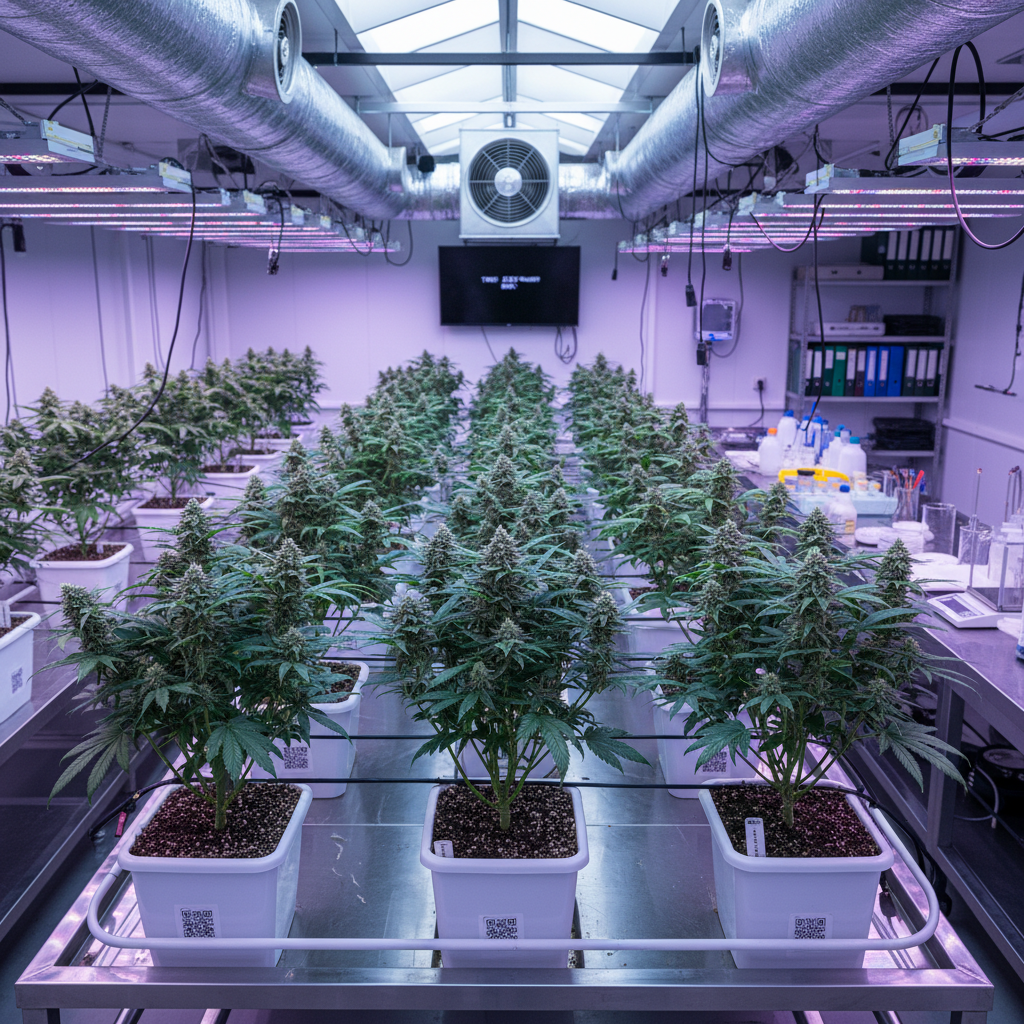
Massachusetts was one of the first states in the region to legalize recreational cannabis, implementing a comprehensive licensing process. The Cannabis Control Commission oversees the application process, ensuring strict compliance with state laws. In contrast, New York's licensing system is relatively new, following legalization in 2021. The Office of Cannabis Management (OCM) is responsible for issuing licenses, with a focus on social equity applicants.
Types of Licenses
In Massachusetts, licenses are available for cultivators, manufacturers, retailers, and other business types. New York offers similar licenses but places a greater emphasis on promoting small businesses and minority-owned enterprises. Both states aim to create a diverse and inclusive cannabis market.

Retail and Sales Regulations
The retail landscape in Massachusetts is well-established, with numerous dispensaries operating across the state. Consumers enjoy a variety of products, from edibles to concentrates. New York's retail scene is still developing, with the first dispensaries opening in late 2022. The state has set goals to ensure that half of the licenses go to social equity applicants, promoting fairness in the market.
Product Availability
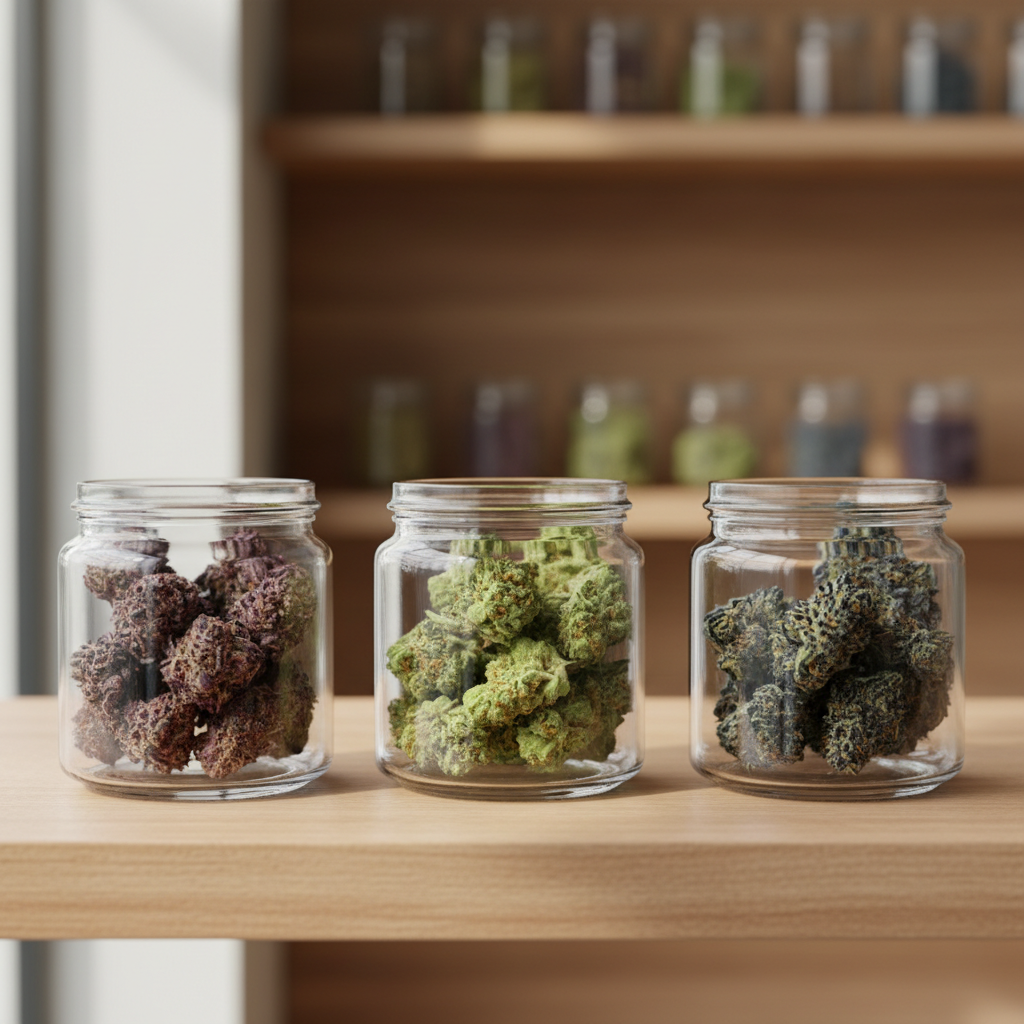
Massachusetts offers a wide range of cannabis products, including high-potency options. New York, on the other hand, has implemented potency limits and packaging restrictions to prioritize safety. Both states require rigorous testing to ensure product quality and consumer protection.
Consumption and Public Use
Both Massachusetts and New York restrict public cannabis consumption, with designated areas being the only legal places to consume in public. Massachusetts allows for cannabis clubs, providing a controlled environment for consumption. New York is considering similar options, aiming to provide safe spaces for users.
Possession Limits
Massachusetts permits adults to possess up to one ounce of cannabis in public and up to ten ounces at home. New York allows for three ounces in public and up to five pounds at home, highlighting a more lenient approach to personal possession.
Future Developments
As both states continue to refine their cannabis regulations, they are likely to influence each other and the broader national conversation. Massachusetts is exploring further opportunities for social consumption spaces, while New York is focusing on expanding its social equity programs. These developments will shape the future of the cannabis industry in the Northeast.
Understanding the regulatory landscape in Massachusetts and New York is essential for stakeholders in the cannabis industry. As these states continue to evolve their laws, they offer valuable insights into the challenges and opportunities within the cannabis sector.