
Comparing Cannabis Retail Strategies: Massachusetts vs. New York
JC
The Cannabis Landscape in Massachusetts
Massachusetts has been at the forefront of cannabis legalization on the East Coast, with its adult-use market opening in 2018. The state has a well-established regulatory framework that serves as a model for others. The Cannabis Control Commission (CCC) oversees the industry, ensuring compliance with both state and local laws.
One of the key strategies in Massachusetts is the focus on social equity. The state has implemented programs to support communities disproportionately affected by past cannabis prohibition. These initiatives aim to provide opportunities for diverse entrepreneurs and create an inclusive industry.

Retailers in Massachusetts benefit from a relatively stable market, with clear guidelines on licensing and operations. This stability allows businesses to plan long-term strategies and invest in community engagement and local partnerships.
New York's Emerging Cannabis Market
New York, on the other hand, is a newcomer to the legal cannabis scene, having legalized adult-use cannabis in 2021. The state is still in the process of finalizing regulations and issuing licenses, making it a dynamic and evolving market. This presents both challenges and opportunities for retailers looking to establish a foothold.
One of New York's strategic focuses is on creating a market that prioritizes social equity and economic development. The state aims to allocate a significant portion of licenses to social equity applicants, reflecting a commitment to rectify past injustices.
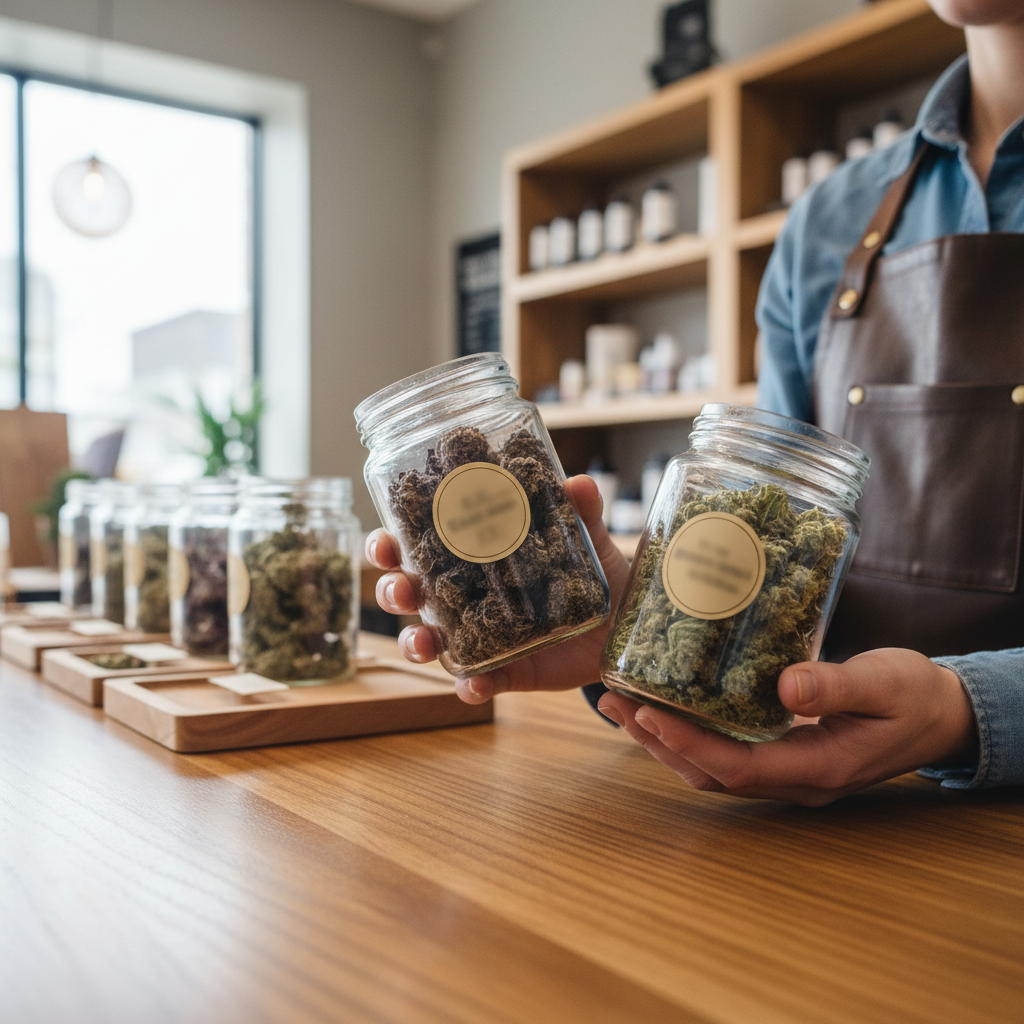
New York's approach is characterized by its emphasis on urban retail experiences. With a large and diverse population, retailers have the potential to reach a broad audience. However, they must also navigate a complex regulatory environment as the state finalizes its cannabis policies.
Comparative Challenges and Opportunities
Both Massachusetts and New York face unique challenges in their cannabis retail strategies. Massachusetts retailers must continually adapt to a mature market, focusing on differentiation and brand recognition. They have the opportunity to leverage their established presence and consumer trust.
In contrast, New York retailers are entering a nascent market where establishing brand identity early can provide a competitive edge. The unpredictable regulatory landscape requires flexibility and a keen understanding of local and state policies.

Key Considerations for Retailers
Retailers in both states should consider the following strategies to thrive:
- Community Engagement: Building strong relationships with local communities can enhance brand loyalty and support.
- Compliance: Staying informed about evolving regulations is crucial to avoid legal pitfalls.
- Innovation: Offering unique products and experiences can differentiate a brand in a competitive landscape.
Ultimately, the success of cannabis retailers in Massachusetts and New York will depend on their ability to navigate regulatory challenges while meeting consumer demands. By focusing on social equity and community involvement, both states aim to create sustainable and inclusive markets.