
Comprehensive Guide to Cannabis Business Licensing in Massachusetts
JC
Understanding the Basics of Cannabis Licensing
The cannabis industry in Massachusetts has grown rapidly since legalization, creating opportunities for entrepreneurs. However, navigating the licensing process can be complex. This guide aims to simplify the steps required to obtain a cannabis business license in Massachusetts.
Massachusetts offers several types of licenses, including cultivation, retail, product manufacturing, and testing laboratory licenses. Each type has its own set of requirements and regulations. Understanding these is crucial for compliance and successful operation.

Types of Cannabis Licenses
Cultivation Licenses
Cultivation licenses are for businesses that grow cannabis plants. They are categorized based on the size of the growing operation, ranging from small craft cultivators to large-scale producers. Each category has specific guidelines on plant canopy size and operational procedures.
Retail Licenses
Retail licenses allow businesses to sell cannabis products directly to consumers. Applicants must adhere to strict location and zoning requirements, ensuring their operations are away from schools and other restricted areas.

The Application Process
The application process for a cannabis license in Massachusetts involves several steps. First, applicants must submit a comprehensive application that details business plans, security protocols, and community impact. This is followed by a thorough background check and a review by the Cannabis Control Commission.
Once the application is reviewed, there may be additional requirements, such as public hearings or community outreach meetings, to ensure local support for the proposed business.
Compliance and Regulations
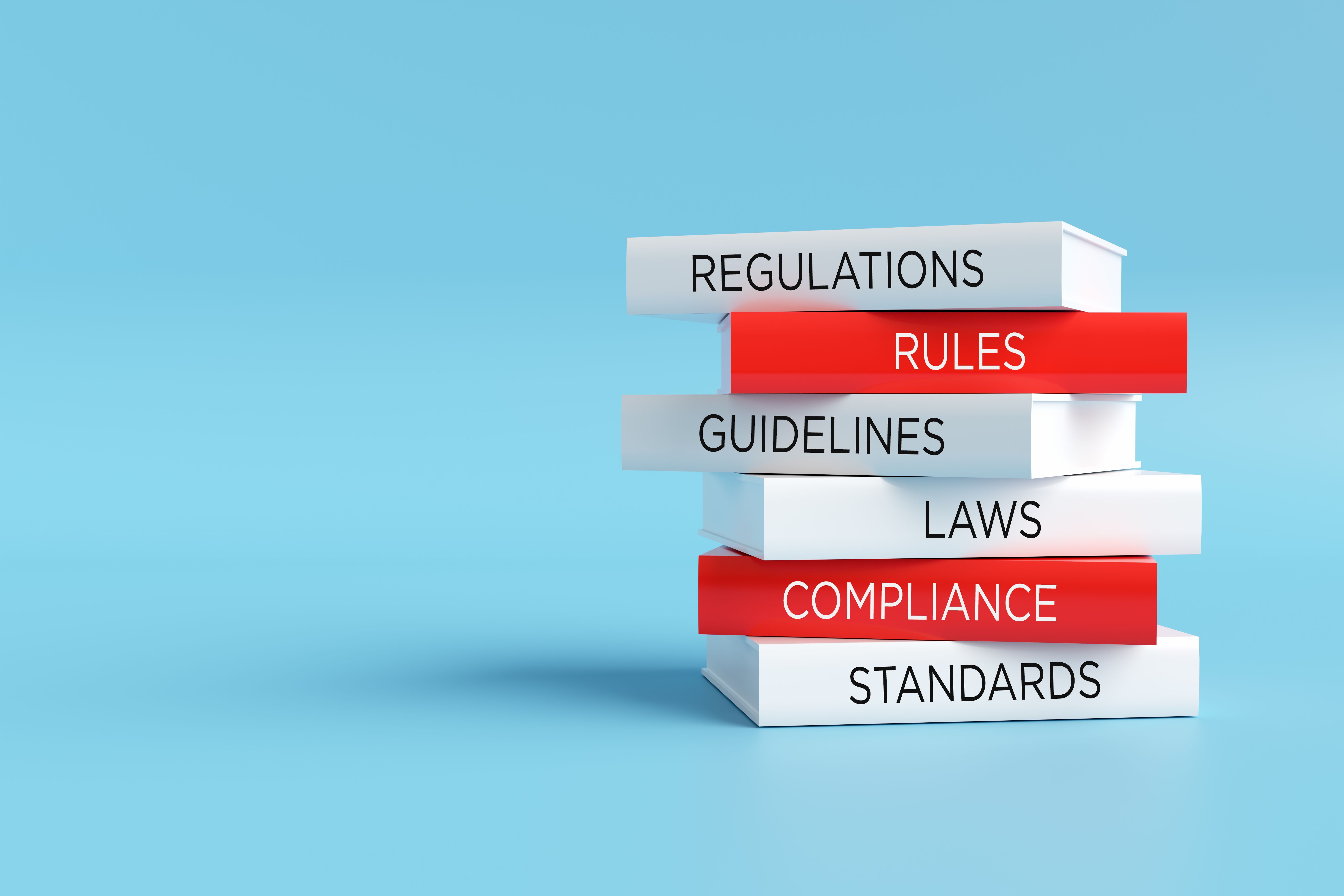
Maintaining compliance with state laws and regulations is critical for cannabis businesses. This includes adhering to packaging and labeling standards, tracking inventory, and implementing robust security measures. Regular inspections by the state ensure that businesses meet these standards.
Challenges and Considerations
Entering the cannabis industry involves overcoming several challenges. Regulatory compliance can be costly and time-consuming. Additionally, securing financing can be difficult due to federal restrictions on banking for cannabis businesses. Entrepreneurs should prepare for these hurdles by seeking expert advice and building strong community relationships.
Despite these challenges, the cannabis industry offers significant growth potential. With careful planning and adherence to regulatory requirements, businesses can thrive in this burgeoning market.