
Comprehensive Guide to Cannabis Business Licensing in Massachusetts
JC
Understanding the Cannabis Business Landscape in Massachusetts
Massachusetts has become a key player in the cannabis industry, offering numerous opportunities for entrepreneurs. However, navigating the business licensing process can be complex. This guide will help you understand the necessary steps to establish a cannabis business in the state.

Types of Cannabis Licenses
Massachusetts offers several types of licenses for cannabis businesses. These include cultivation, manufacturing, retail, and delivery licenses. Understanding which license suits your business model is crucial for a successful application.
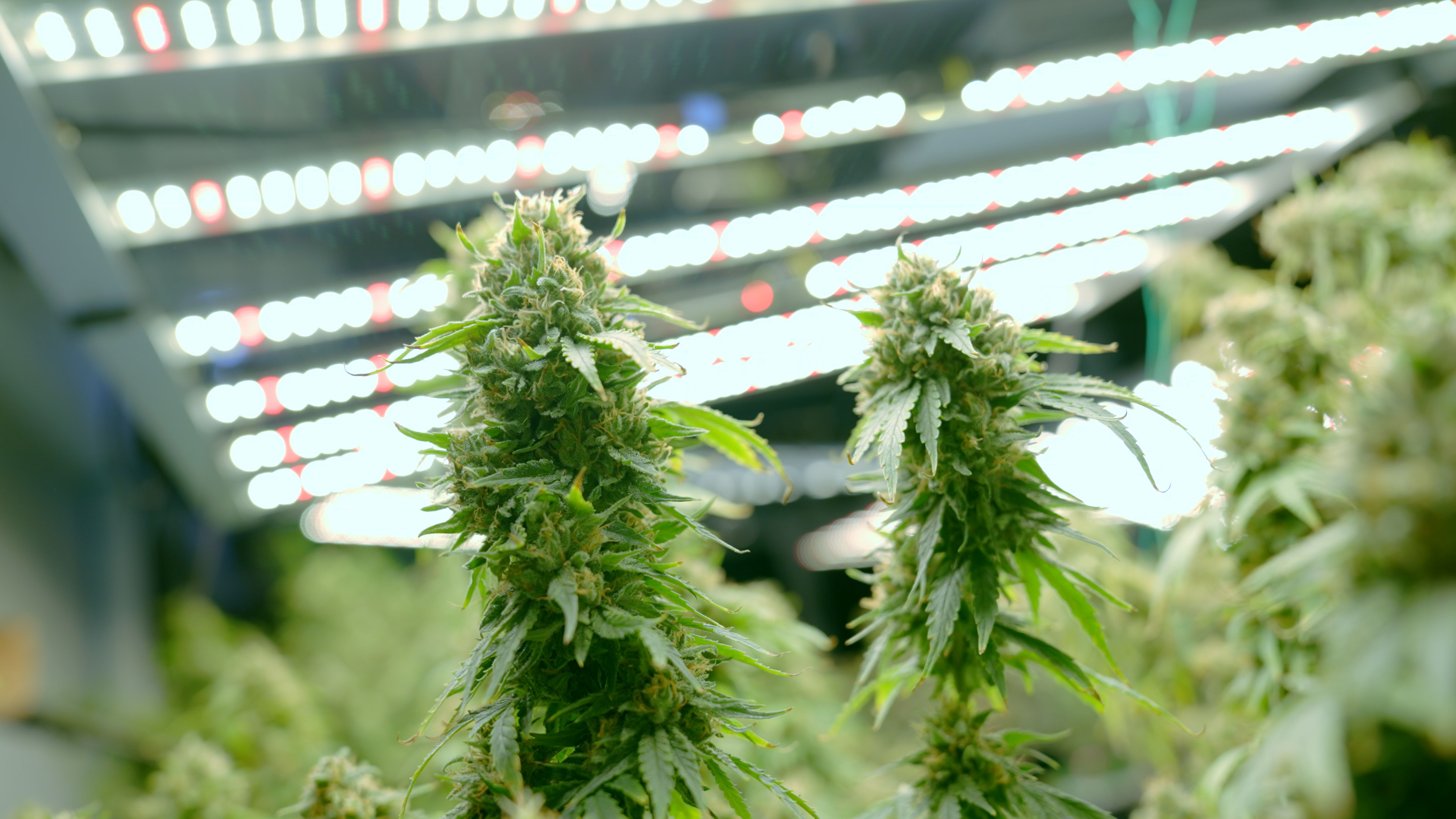
Cultivation licenses allow businesses to grow cannabis, while manufacturing licenses cover the production of cannabis products. Retail licenses enable the sale of cannabis to consumers, and delivery licenses permit the transportation of cannabis products directly to customers.
Application Process
The application process for a cannabis business license in Massachusetts is detailed and requires careful preparation. Here’s a general outline of the steps involved:
- Research and select the appropriate license type.
- Prepare your business plan, including financial projections and operational strategy.
- Ensure compliance with local zoning laws and obtain necessary municipal approvals.
- Submit your application to the Cannabis Control Commission (CCC).
- Undergo a background check and financial review.
- Participate in a community outreach meeting.

Key Considerations
Before applying, consider the costs associated with starting a cannabis business. Licensing fees can be substantial, and additional costs for compliance, security, and operations can add up quickly. It's also important to engage with the community and address any concerns they may have about your business.
Moreover, staying informed about changes in regulations is vital. The cannabis industry is rapidly evolving, and keeping up with the latest legal requirements will ensure your business remains compliant.

Post-Licensing Requirements
Once you obtain a license, there are ongoing requirements to maintain compliance. These include regular reporting to the CCC, adherence to safety and security protocols, and continuous community engagement. Failure to meet these obligations can result in penalties or loss of your license.
Additionally, consider investing in staff training and development to ensure your team is knowledgeable about the latest industry standards and practices.
Conclusion
Starting a cannabis business in Massachusetts is an exciting opportunity, but it requires careful planning and adherence to regulatory guidelines. By understanding the licensing process and preparing thoroughly, you can position your business for success in this burgeoning market.