
How New York's Cannabis Laws Differ from Massachusetts: Key Insights for Retailers
JC
Understanding the Legal Framework
New York and Massachusetts have both embraced the legalization of cannabis, but their laws differ significantly in various aspects. For retailers, understanding these differences is crucial for compliance and strategic planning. The regulatory environment in each state shapes everything from licensing requirements to operational protocols.
In New York, the cannabis market is overseen by the Office of Cannabis Management, which implements a comprehensive set of regulations. Conversely, Massachusetts regulates cannabis through the Cannabis Control Commission, focusing on a slightly different set of priorities. These differences manifest in various operational aspects that retailers must navigate.
Licensing and Application Process
The licensing process in New York is known for its rigorous requirements. Retailers need to demonstrate strong community ties and a commitment to social equity. New York prioritizes applicants from communities disproportionately affected by past drug laws.
Massachusetts, on the other hand, offers a more streamlined application process. The state emphasizes thorough background checks and financial disclosures but provides a clearer and quicker path to license approval. This distinction can impact how quickly retailers can set up operations in each state.
Operational Regulations
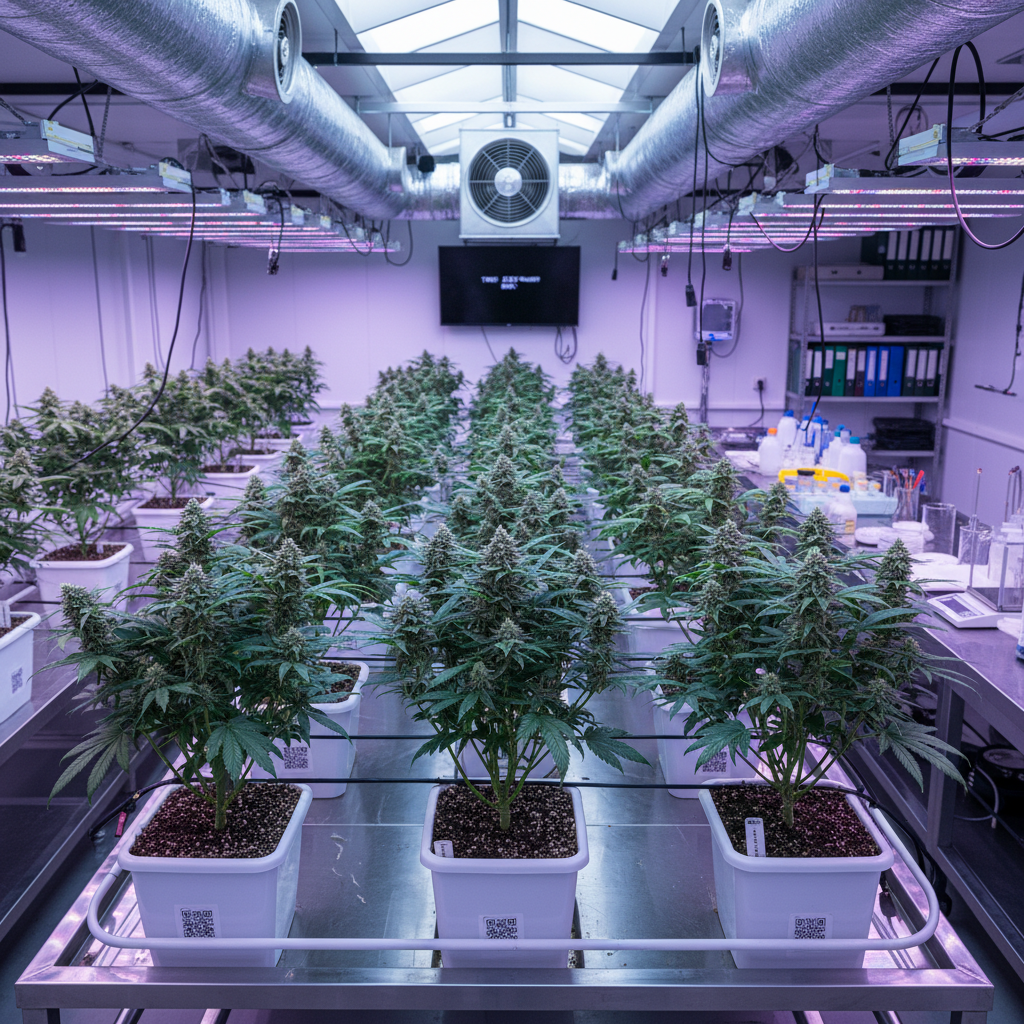
Retail operations in New York are subject to specific zoning laws. Dispensaries must be located a certain distance away from schools and other community spaces. Furthermore, New York places a strong emphasis on ensuring product safety and quality, mandating rigorous testing standards.

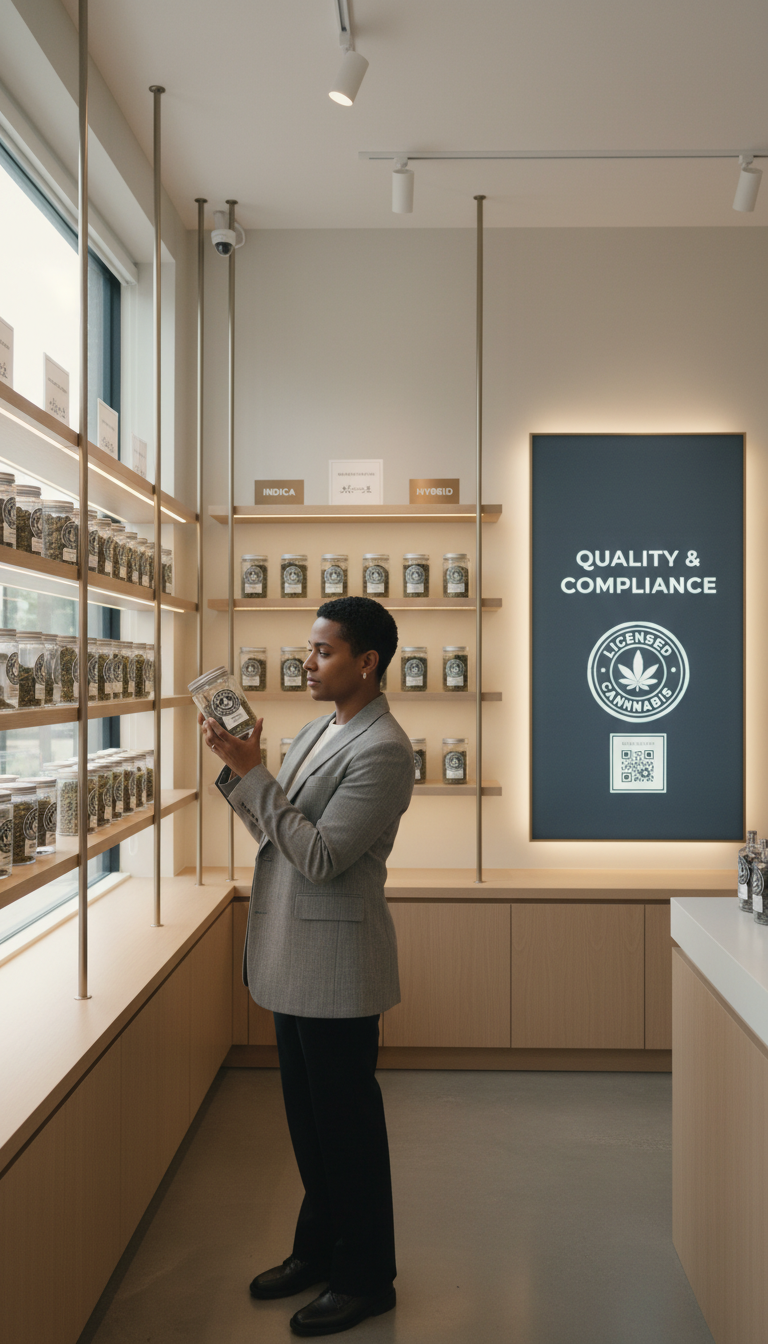
In Massachusetts, retailers encounter different operational challenges. The state imposes strict security measures, requiring comprehensive surveillance systems and secure storage protocols. Retailers must also adhere to labeling and packaging regulations that aim to prevent accidental consumption.
Taxation and Revenue Models
Taxation is another area where New York and Massachusetts diverge. New York imposes a tiered tax structure based on the potency of the product, which can affect pricing strategies for retailers. This system aims to encourage the sale of less potent products.
Massachusetts, however, applies a flat tax rate on cannabis sales, making tax calculations more straightforward for businesses. Retailers in Massachusetts can leverage this consistency in tax rates to create predictable pricing models and financial forecasts.
Social Equity Programs
Both states have implemented social equity programs, but with different focal points. New York's program is comprehensive, providing support and resources to minority-owned businesses and those affected by past drug policies. This initiative includes financial assistance and educational resources.
Massachusetts also supports social equity applicants, offering mentorship and training programs. However, its approach is more focused on providing direct pathways to business ownership and reducing barriers for entry into the market.
Conclusion: Strategic Considerations for Retailers
For retailers looking to operate in either New York or Massachusetts, understanding these key differences is essential. Each state offers unique opportunities and challenges, shaped by their regulatory frameworks. Retailers must carefully consider these factors when developing business strategies and operational plans.
By staying informed and adaptable, cannabis retailers can successfully navigate the complexities of each state's laws, ensuring compliance and maximizing their market potential.