
Navigating Cannabis Regulations in Massachusetts: A Comprehensive Guide
JC
Understanding the cannabis regulations in Massachusetts is crucial for businesses and consumers alike. Since the legalization of recreational cannabis in 2016, the state has developed a comprehensive framework to regulate the industry. This guide aims to simplify these regulations and provide essential insights for navigating them effectively.

Licensing and Business Requirements
To operate legally, cannabis businesses in Massachusetts must obtain the appropriate licenses. The Cannabis Control Commission (CCC) oversees the licensing process, which includes several types of licenses such as cultivation, retail, and testing. Each license type has specific requirements and fees.
Applicants must undergo a rigorous background check and demonstrate compliance with local zoning laws. Additionally, businesses must develop a comprehensive plan that addresses security, employee training, and environmental impact.
Compliance with Local Zoning Laws
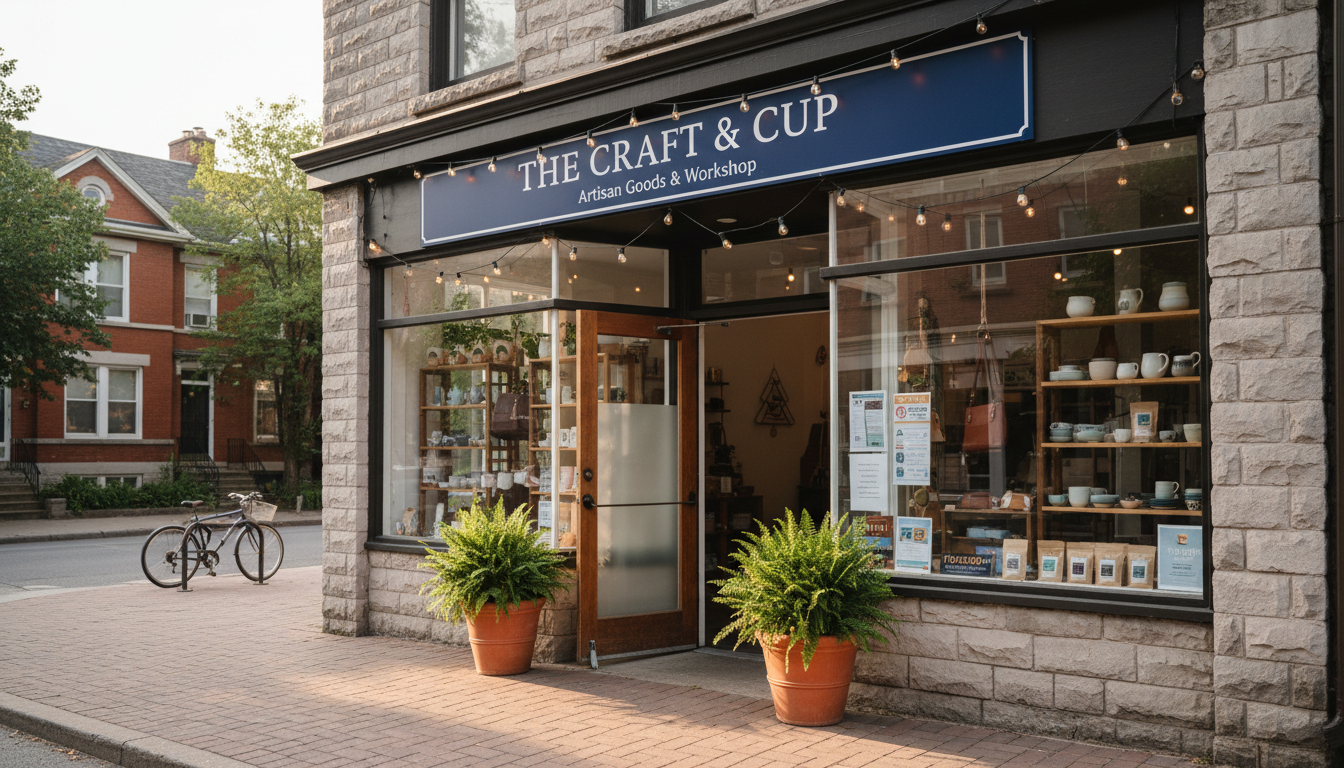
Local zoning laws play a significant role in where cannabis businesses can operate. Municipalities have the authority to impose restrictions on the location and density of cannabis establishments. It's essential for businesses to engage with local governments early in the planning process to ensure compliance.
Consumer Regulations
For consumers, understanding the legal purchasing and possession limits is vital. Adults 21 and older can purchase and possess up to one ounce of cannabis or five grams of concentrate. Consumption is prohibited in public spaces, and driving under the influence of cannabis is illegal.
Medical vs. Recreational Cannabis
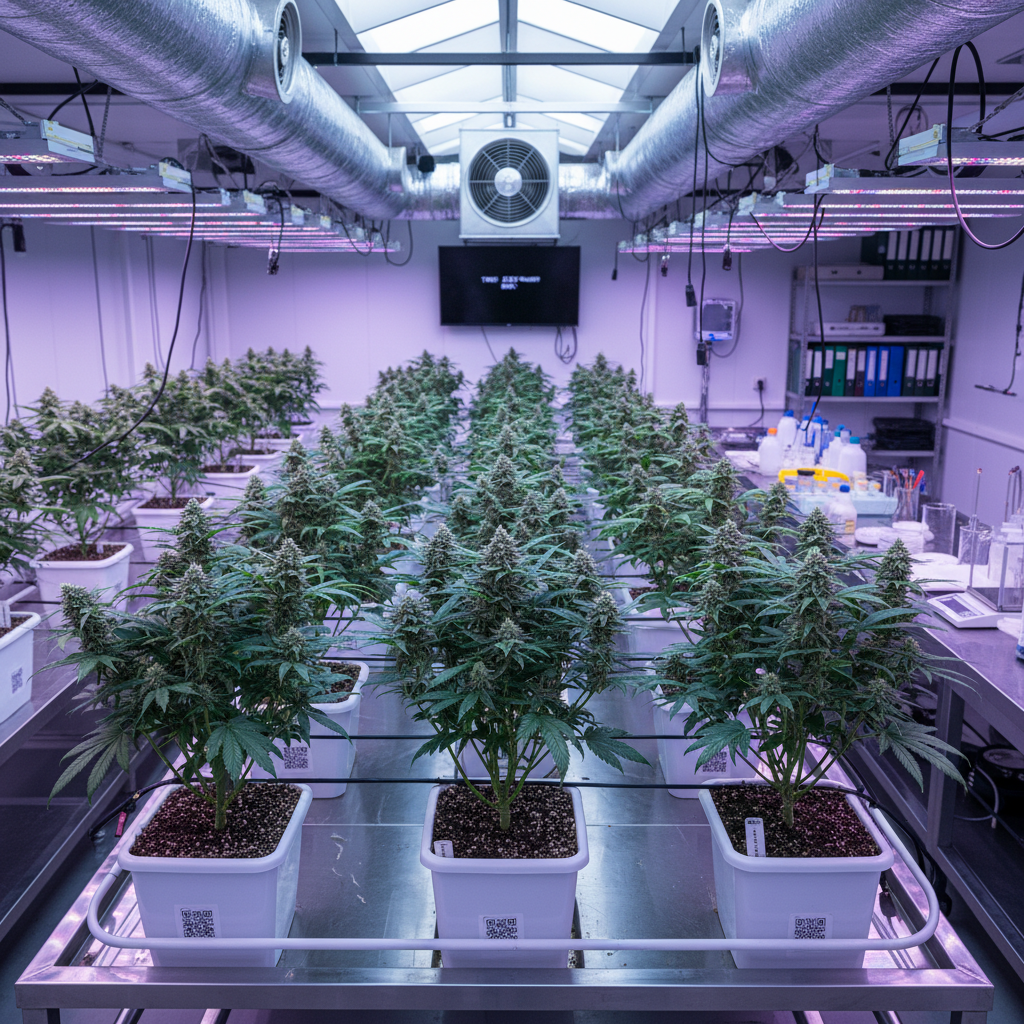
Massachusetts distinguishes between medical and recreational cannabis. Medical patients registered with the state can possess up to ten ounces for personal use and may have access to a broader range of products. It's crucial to understand these differences to ensure compliance with the law.
Advertising and Marketing Regulations
Cannabis advertising in Massachusetts is subject to strict regulations. Advertisements cannot target individuals under 21, and all promotional materials must include health warnings. Businesses must navigate these rules carefully to avoid penalties.

Packaging and Labeling Standards
Packaging and labeling are critical components of compliance. Products must be sold in child-resistant packaging and include labels that provide detailed information about the product's contents, potency, and health risks. This ensures consumer safety and informed decision-making.
Future Developments and Challenges
The cannabis industry in Massachusetts continues to evolve. Staying informed about potential changes in legislation and emerging trends is essential for businesses and consumers. Engaging with industry groups and participating in public hearings can provide valuable insights.
By understanding and adhering to the state's regulations, businesses can thrive in the growing cannabis market, and consumers can enjoy their products responsibly and legally.