
Navigating Cannabis Retail Regulations in the United States
JC
The cannabis industry in the United States is evolving rapidly, with new states legalizing its use and more businesses entering the market. However, navigating the complex web of cannabis retail regulations can be challenging for both new and established businesses. Understanding these regulations is crucial for ensuring compliance and avoiding legal issues.
Understanding Federal vs. State Regulations
The first step in navigating cannabis retail regulations is understanding the distinction between federal and state laws. While cannabis remains illegal under federal law, many states have legalized its medical and recreational use. This discrepancy creates a unique regulatory environment where businesses must comply with state laws while being aware of federal restrictions.
Each state has its own set of regulations governing the sale and distribution of cannabis. These can vary widely, affecting everything from licensing requirements to packaging standards. It's essential for businesses to be well-versed in the specific regulations of the state in which they operate.
The Importance of Licensing
Securing the proper licenses is one of the most critical aspects of complying with state regulations. Licenses are typically required for cultivation, processing, distribution, and retail. The application process can be complex, involving background checks, financial disclosures, and detailed business plans.

Some states may limit the number of available licenses, making the process highly competitive. Businesses need to stay informed about application deadlines and requirements to improve their chances of success.
Compliance with Local Regulations
In addition to state laws, cannabis retailers must also adhere to local regulations. Cities and counties may have their own rules regarding zoning, hours of operation, and advertising. Understanding and complying with these local regulations is essential for maintaining a legal operation.
Local governments may impose restrictions on where cannabis businesses can be located, often requiring them to be a certain distance away from schools, parks, and other sensitive areas. Retailers must carefully select their locations to ensure compliance with these zoning laws.
Packaging and Labeling Requirements
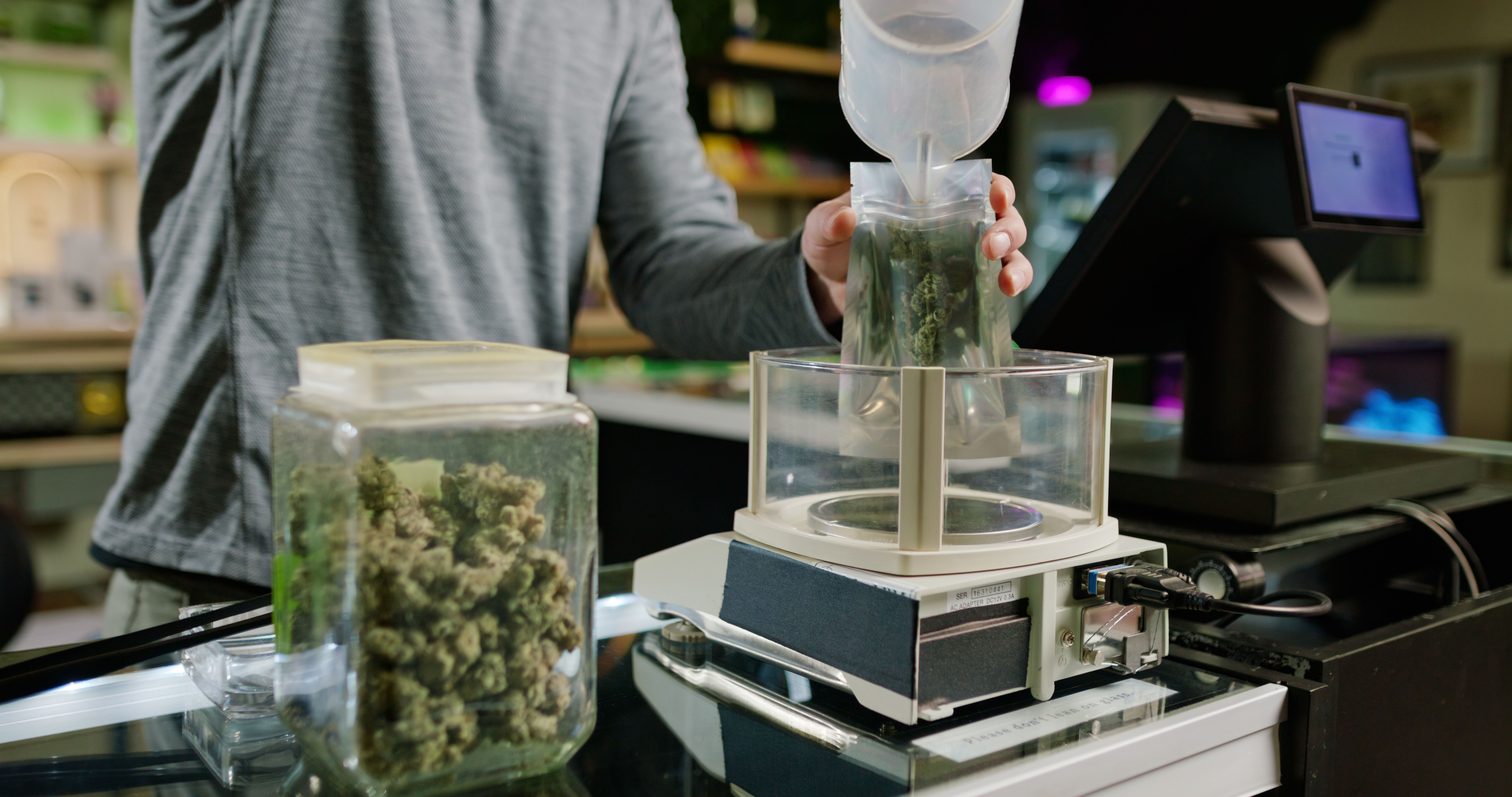
Another critical aspect of cannabis retail regulations is packaging and labeling. States often have stringent requirements to ensure consumer safety and prevent accidental consumption, especially by minors. Common requirements include child-resistant packaging, clear labeling of THC content, and health warnings.

Failure to comply with packaging and labeling regulations can lead to fines or other penalties. Retailers should regularly review their packaging processes to ensure they meet current standards.
Staying Informed and Adapting to Changes
The regulatory landscape for cannabis is continually changing. New laws and amendments can significantly impact how businesses operate. It's vital for retailers to stay informed about legislative changes and adapt their practices accordingly.
Joining industry associations and attending seminars or workshops can be valuable for staying updated on regulatory developments. These platforms provide insights into best practices and upcoming changes that could affect the industry.
Final Thoughts
Navigating the complex regulations of cannabis retail in the United States requires diligence and adaptability. By understanding federal, state, and local regulations, securing the necessary licenses, and continuously monitoring changes in the law, businesses can thrive in this burgeoning industry.

As the industry grows, so too will the regulatory frameworks that govern it. Retailers who stay informed and proactive will be best positioned to succeed in the evolving market.