Navigating the Challenges of Cannabis Retail in Greater New England
JC
Understanding the Regulatory Landscape
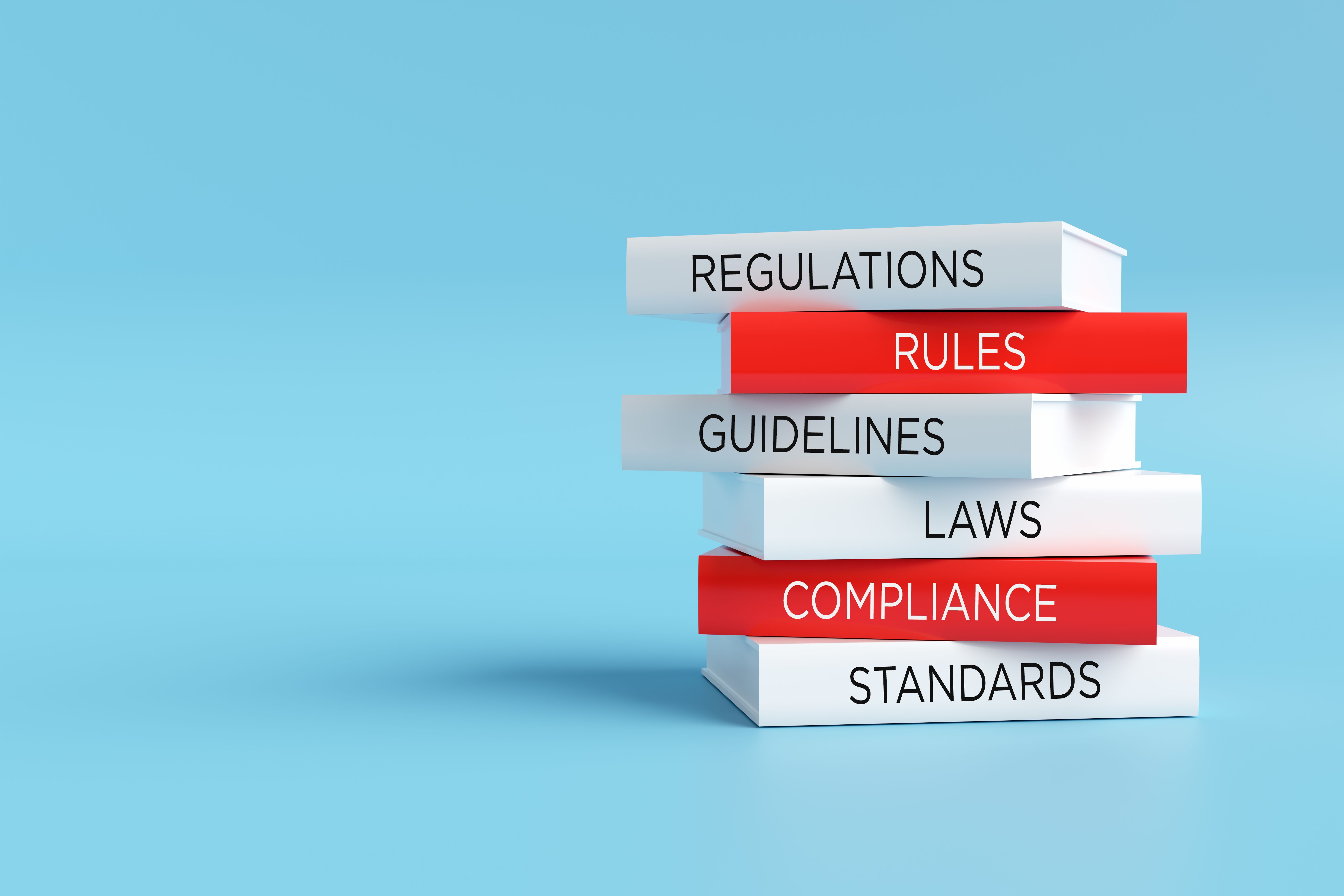
Opening a cannabis retail store in Greater New England comes with its own set of challenges, primarily due to the complex regulatory environment. Each state in the region has its own unique set of laws and regulations governing the sale of cannabis. Retailers must stay informed and compliant to avoid any legal repercussions. This often involves acquiring specific licenses and adhering to zoning laws.
It is crucial for businesses to keep up-to-date with any changes in legislation. Engaging with local legal experts or consultants who specialize in cannabis law can provide invaluable guidance. Additionally, participating in industry forums and associations can help retailers stay informed about upcoming changes.
Supply Chain and Inventory Management
Efficient supply chain and inventory management are essential for the success of any cannabis retail business. Retailers must establish reliable relationships with suppliers to ensure consistent product availability. This involves vetting suppliers for quality and compliance with state regulations.
Inventory management systems designed specifically for cannabis retailers can streamline operations. These systems help track product quantities, manage reorder levels, and ensure proper storage conditions. In a market where product freshness and quality are key, having robust inventory processes is vital.
Creating a Unique Customer Experience
In the competitive cannabis retail market, creating a unique and engaging customer experience is essential. Retailers should focus on designing inviting store layouts that highlight their product offerings. Staff training is another critical element, ensuring employees are knowledgeable and can provide insightful recommendations to customers.
Loyalty programs and promotional events can also enhance customer retention. By offering exclusive deals and personalized shopping experiences, retailers can build a strong customer base and encourage repeat visits.

Marketing and Branding Strategies
Effective marketing and branding are crucial for distinguishing a cannabis retail business from its competitors. Utilizing social media platforms and digital marketing can help reach a broader audience. However, retailers must be mindful of advertising restrictions specific to cannabis products.
Building a strong brand identity that resonates with the target audience is essential. This can be achieved through consistent messaging, appealing visual branding, and community engagement. Hosting educational workshops or participating in local events can further enhance brand visibility and credibility.

Addressing Community Concerns
Community acceptance is a significant factor for cannabis retailers. Addressing concerns about safety, security, and the potential impact on local communities is crucial. Engaging with community leaders and hosting informational sessions can help alleviate concerns and foster positive relationships.
Retailers should also implement robust security measures, both physical and digital, to ensure the safety of their premises and customer data. Transparency and open communication with the community can build trust and support the business's long-term success.

Embracing Sustainability
Sustainability is becoming increasingly important in the cannabis industry. Retailers can differentiate themselves by adopting eco-friendly practices, such as using sustainable packaging and reducing energy consumption. This not only appeals to environmentally conscious consumers but also contributes to the overall health of the planet.
Partnering with like-minded suppliers and investing in energy-efficient technologies are steps retailers can take toward sustainability. Additionally, promoting sustainability initiatives through marketing efforts can enhance brand reputation and attract eco-conscious customers.