
Understanding Cannabis Compliance: Key Regulations in Greater New England
JC
Introduction to Cannabis Compliance
The cannabis industry is rapidly evolving, especially in regions like Greater New England. As more states move toward legalization, understanding the complex web of cannabis compliance regulations becomes crucial for businesses operating in this sector. Navigating these regulations effectively ensures not only legal operation but also the trust of consumers and stakeholders.

Licensing Requirements
One of the first steps in ensuring compliance is obtaining the proper licenses. Each state within Greater New England has its own set of licensing requirements. For instance, Massachusetts requires a detailed application process, including background checks and business plans. It's essential for businesses to thoroughly understand the specific requirements of their state to avoid penalties or delays.
Additionally, maintaining an active license involves regular renewals and adherence to ongoing compliance checks. Failure to comply with these requirements can lead to hefty fines or even the revocation of a license.
Testing and Quality Control
The importance of product testing in the cannabis industry cannot be overstated. States mandate rigorous testing to ensure products are safe for consumption. This includes testing for potency, pesticides, and contaminants. Businesses must work with state-approved laboratories to meet these standards.
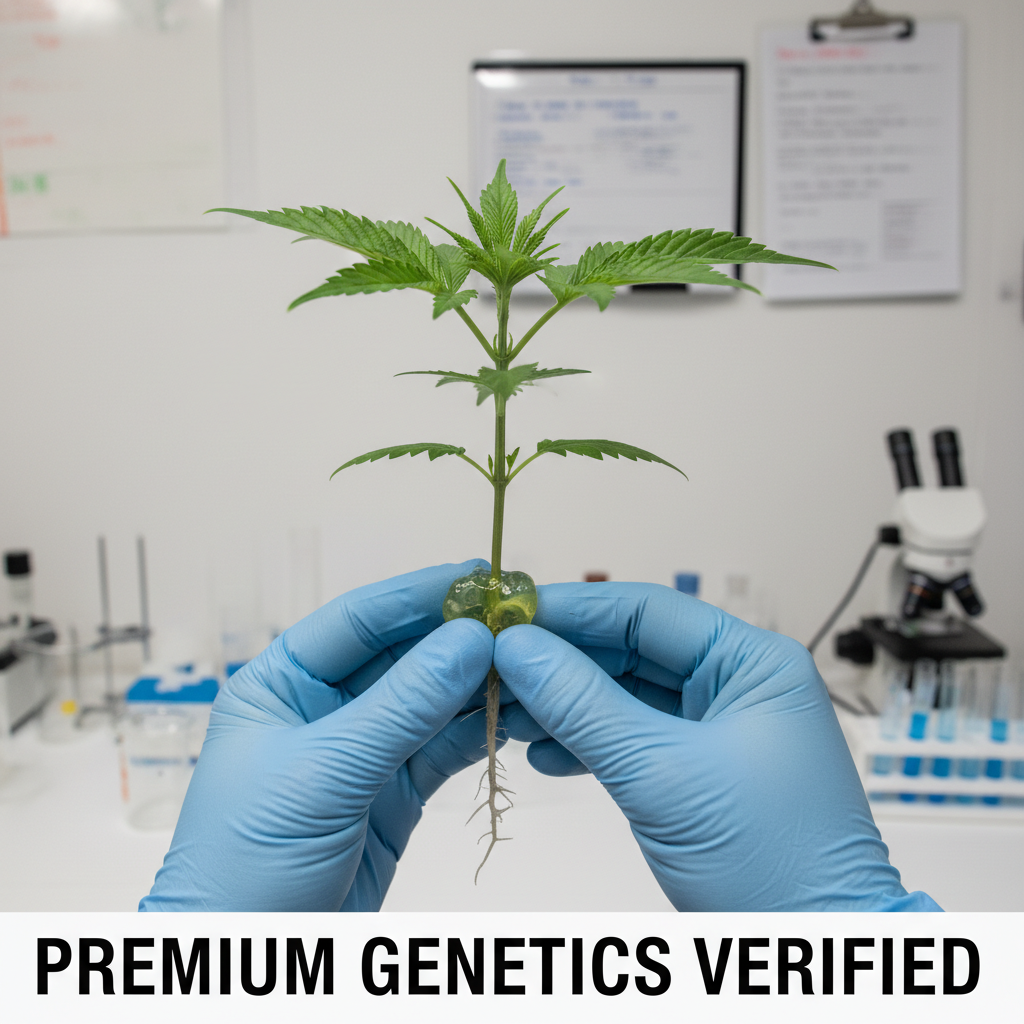
Quality control extends beyond testing. Proper labeling with detailed product information is required by law. This includes THC and CBD content, ingredients, and any potential allergens. Compliance with these regulations helps in building consumer trust and avoiding legal issues.
Advertising and Marketing Restrictions
Another critical area of compliance is advertising and marketing. Cannabis businesses face strict regulations to prevent misleading or promoting excessive consumption. For example, advertising that targets minors or uses certain media channels may be prohibited.
Businesses must ensure that all marketing materials are compliant with state laws, often requiring legal review before publication. This careful attention ensures that businesses can promote their products without facing regulatory action.

Security Measures
Security is a paramount concern in the cannabis industry. States impose stringent security measures to prevent theft and unauthorized access. This includes surveillance systems, secure storage facilities, and comprehensive security plans.
Compliance with these security regulations protects businesses from potential losses and enhances the safety of employees and consumers. Regular audits and updates to security protocols are recommended to maintain compliance.
Conclusion
Understanding and adhering to cannabis compliance regulations in Greater New England is essential for the successful operation of any cannabis-related business. From licensing to security, each aspect of compliance requires careful attention and ongoing diligence. By staying informed and proactive, businesses can thrive in this dynamic and promising industry.